Albania
 Bosnia and Herzegovina
 Bulgaria
 Croatia
 Cyprus
 Montenegro
 Czech Republic
 Denmark
 Estonia
 Spain
Spain
 Kosovo
 Lithuania
 Latvia
 Luxembourg
 Macedonia
 Germany
 Poland
 Portugal
 Romania
 Serbia
 Slovakia
 Slovenia
 Switzerland
 Sweden
 Turkey
 Hungary
 United Kingdom
 Italy
Italy
 UAE
UAE
 Hong Kong
 Kuwait
 Lebanon
 South Africa





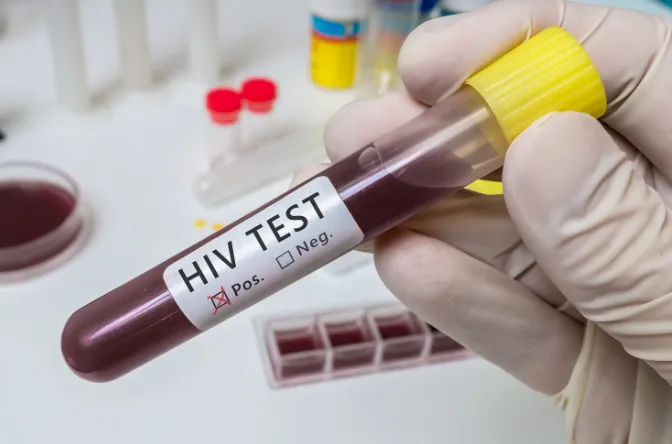
The news that a woman from the United States has become the third person in the world to be cured of an HIV infection has recently attracted widespread attention. A disease that was previously considered incurable can be successfully treated with stem cells derived from umbilical cord blood. This represents great hope for both patients and researchers.
Current Treatment of Patients with HIV
When an HIV infection is diagnosed, patients are treated with antiretroviral medications. HAART therapy is required for life, as it prevents viral replication and significantly slows the progression of the disease to full-blown acquired immunodeficiency syndrome (AIDS). In addition, the immune system can rebuild itself, and the number of complications associated with disease progression is reduced. Unfortunately, the medications used carry the risk of side effects and drug resistance. They also do not provide a cure. For this reason, researchers are still searching for a way to completely eliminate the HIV virus from the body and discontinue antiretroviral therapy.
Why Were Stem Cells Transplanted in HIV Patients?
In both the previously cured HIV patients and the most recent patient, stem cells were transplanted because all three patients also suffered from cancer. In the most recent case, the patient was battling acute myeloid leukemia. Because it was difficult to find a suitable bone marrow donor, a decision was made to transplant stem cells derived from umbilical cord blood. After the transplantation, the production of immune antibodies began, and the HIV virus was no longer able to attack them or replicate. As a result, disease progression was halted and the use of antiretroviral medications could be discontinued.
Stem Cells from Umbilical Cord Blood as Hope for HIV Patients
The target cells for HIV in the human body include those that contain the CD4 receptors and the CCR5 coreceptors required for infection. The cure in all three cases is attributed to a mutation in the CCR5 gene, which “protects” against HIV infection. Both the cells transplanted into the American woman and those used in the earlier patients contained this mutation, which results in a nonfunctional receptor. This prevents the HIV virus from attacking immune system cells and thereby inhibits its replication. Interestingly, it is estimated that this mutation is present in approximately 3% of the population, meaning that this group of people is naturally resistant to HIV infection.
What Is the Advantage of Umbilical Cord Blood Cells over Bone Marrow?
Two patients who have so far been cured of HIV received stem cells from bone marrow. The American woman is the first person to be cured using cells from umbilical cord blood.
Stem cells are found, among other places, in bone marrow and in umbilical cord blood. However, donors of umbilical cord blood stem cells have a lower risk of rejection reactions and transplant-related complications due to their lower immunological maturity. In addition, their regenerative capacity is ten times greater than that of bone marrow–derived cells. The search for a donor—which, as in the case of the American woman described, can be very difficult due to race or origin—is also significantly shortened. Because umbilical cord blood stem cells are stored at very low temperatures, the risk of damage and aging is much lower than with bone marrow cells.
Whether stem cells from umbilical cord blood will become a widely used therapy for HIV-infected patients remains to be seen. What is certain is that the list of diseases for which stem cells can be used continues to grow. This, in turn, should dispel any doubts parents may have about collecting umbilical cord blood and storing their child’s stem cells. Birth is a one-time opportunity.