Albania
 Bosnia and Herzegovina
 Bulgaria
 Croatia
 Cyprus
 Montenegro
 Czech Republic
 Denmark
 Estonia
 Spain
Spain
 Kosovo
 Lithuania
 Latvia
 Luxembourg
 Macedonia
 Germany
 Poland
 Portugal
 Romania
 Serbia
 Slovakia
 Slovenia
 Switzerland
 Sweden
 Turkey
 Hungary
 United Kingdom
 Italy
Italy
 UAE
UAE
 Hong Kong
 Kuwait
 Lebanon
 South Africa





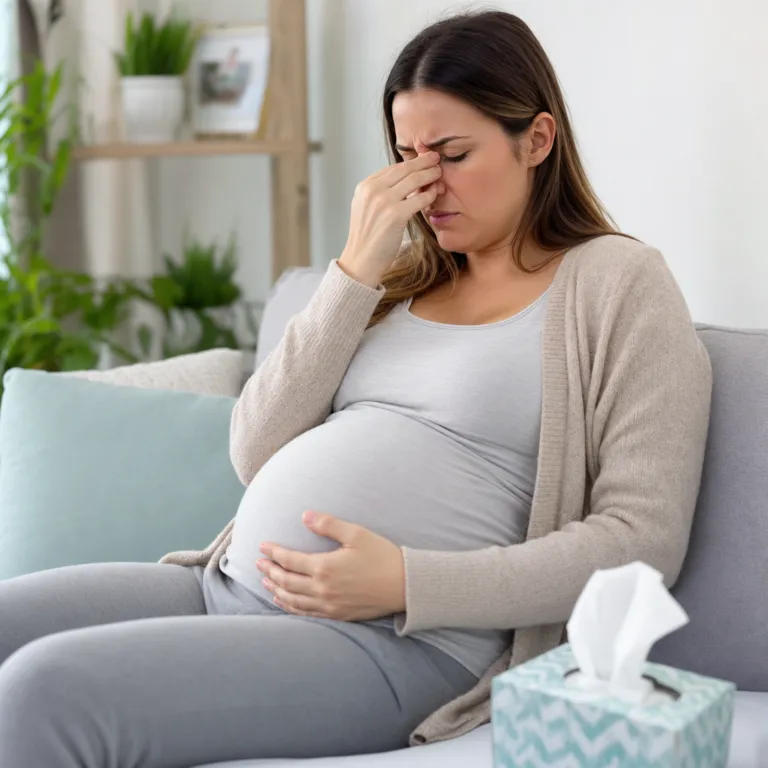
Your nose is blocked, your face throbs with pressure, and every breath feels like a struggle. Sinusitis during pregnancy is not just uncomfortable — it is exhausting at a time when your body is already working overtime. Many expectant mothers experience sinus inflammation due to hormonal changes and increased blood flow, making even simple tasks feel overwhelming. This matters because most conventional sinus medications are off-limits during pregnancy, leaving you searching for safe alternatives. You will learn which treatments actually work without risking your baby's health, how to recognize when medical attention is necessary, and practical prevention strategies you can implement today.
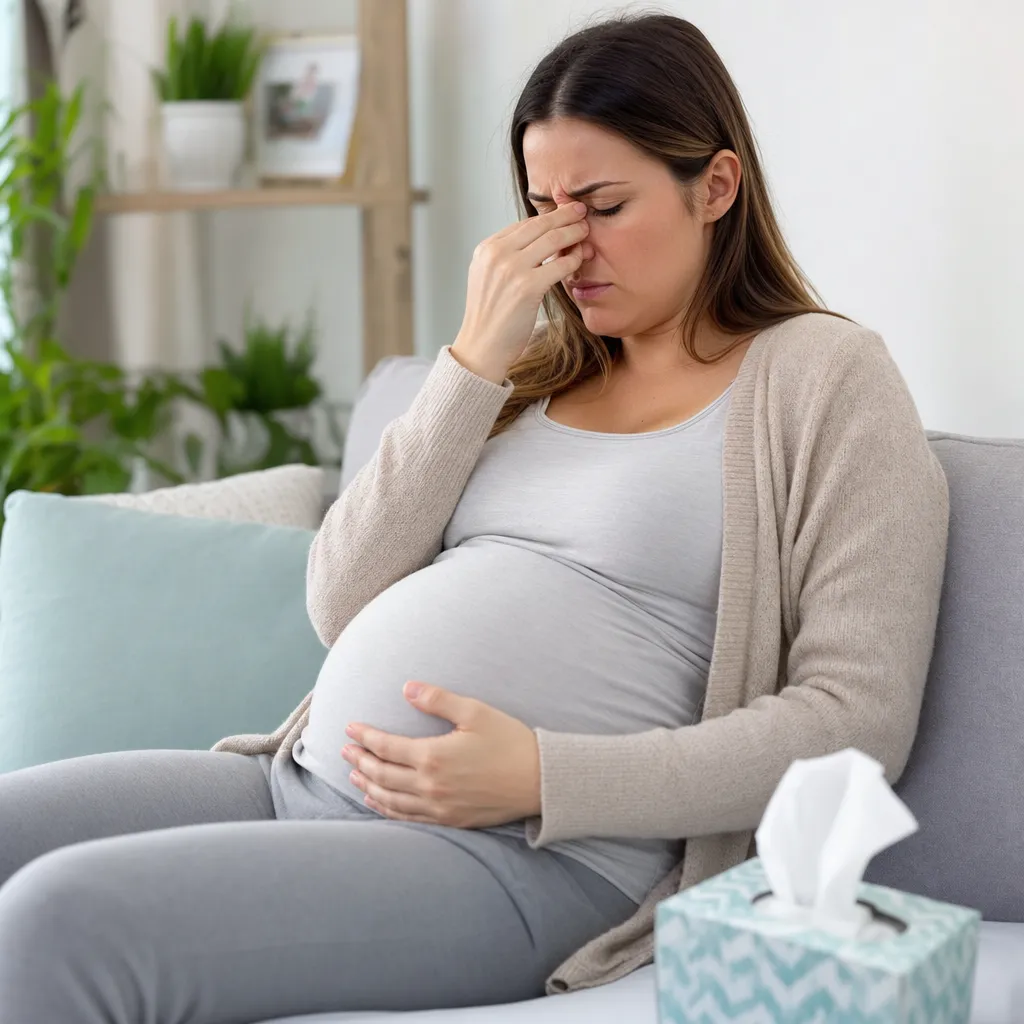
Your nose is blocked, your face throbs with pressure, and every breath feels like a struggle. Sinusitis during pregnancy is not just uncomfortable — it is exhausting at a time when your body is already working overtime. Many expectant mothers experience sinus inflammation due to hormonal changes and increased blood flow, making even simple tasks feel overwhelming. This matters because most conventional sinus medications are off-limits during pregnancy, leaving you searching for safe alternatives. You will learn which treatments actually work without risking your baby’s health, how to recognize when medical attention is necessary, and practical prevention strategies you can implement today.
Key Takeaways
- Pregnancy hormones increase nasal congestion and blood flow, making sinusitis three times more common in expectant mothers
- Saline irrigation and steam inhalation provide immediate relief without medication risks during pregnancy
- Viral sinusitis resolves within 7–10 days, but bacterial infections require medical evaluation and safe antibiotics
- Hydration and elevated sleeping position reduce sinus pressure and support natural drainage throughout pregnancy
- Persistent fever above 38.5°C or severe facial pain requires immediate medical attention to prevent complications
Why Sinusitis Occurs More Frequently During Pregnancy
Pregnancy transforms your entire vascular system, and your sinuses are no exception. Elevated estrogen and progesterone levels cause the mucous membranes in your nasal passages to swell significantly, a condition called pregnancy rhinitis. This swelling narrows the sinus openings, trapping mucus and creating the perfect environment for bacterial growth. Nearly 30 percent of pregnant women experience some degree of nasal congestion throughout their pregnancy, independent of allergies or infections.
Your immune system also shifts during pregnancy to protect your developing baby, which means it responds differently to pathogens. This immunological adaptation makes you more susceptible to respiratory infections, including viral and bacterial sinusitis. The increased blood volume circulating through your body — up to 50 percent more by the third trimester — further engorges nasal tissues and exacerbates inflammation in the sinus cavities.
In practice, a pregnant woman with a simple cold is far more likely to develop sinusitis than she would be outside pregnancy. The combination of hormonal swelling, altered immunity, and restricted medication options means that what starts as mild congestion can quickly progress to painful sinus pressure, headaches, and thick nasal discharge. Recognizing these mechanisms helps you understand why prevention and early intervention matter so much during these nine months.
Recognizing Sinusitis Symptoms During Pregnancy
Sinusitis presents with distinct symptoms that go beyond typical pregnancy congestion. The hallmark signs include facial pain or pressure concentrated around your forehead, cheeks, or eyes, which worsens when you bend forward or lie down. You may notice thick yellow or green nasal discharge, reduced sense of smell, and a persistent cough that intensifies at night. Unlike simple pregnancy rhinitis, sinusitis usually involves pain and colored mucus rather than just clear congestion.
The duration and pattern of symptoms help distinguish viral from bacterial sinusitis. Viral sinus infections typically peak within three to five days and gradually improve over the following week. Bacterial sinusitis either persists beyond ten days without improvement or initially improves then suddenly worsens again — a pattern doctors call “double worsening.” You might also experience tooth pain in your upper jaw, bad breath, and fatigue that goes beyond normal pregnancy tiredness.
A pregnant patient who has had nasal congestion for four days with clear discharge likely has viral rhinitis. If that same woman still has symptoms on day eleven with thick green mucus and facial pain, bacterial sinusitis becomes the more probable diagnosis. Fever above 38.5°C, severe unilateral facial pain, or vision changes signal potential complications requiring immediate medical evaluation, as untreated bacterial sinusitis can spread to surrounding structures.
Safe Treatment Options for Pregnant Women
Saline nasal irrigation stands as the safest and most effective first-line treatment for sinusitis during pregnancy. Using a neti pot or saline spray three to four times daily physically flushes out mucus, allergens, and pathogens while moisturizing inflamed tissues. Studies show that regular saline irrigation reduces symptom duration and prevents progression to bacterial infection without any risk to fetal development. Always use distilled, sterile, or previously boiled water to avoid introducing microorganisms into your sinuses.
Steam inhalation provides immediate relief by loosening thick mucus and reducing sinus pressure. Lean over a bowl of hot water with a towel draped over your head for ten to fifteen minutes, breathing deeply through your nose. Adding eucalyptus or peppermint oil — just two to three drops — can enhance the decongestant effect, though plain steam works effectively on its own. Humidifiers in your bedroom maintain optimal moisture levels overnight, preventing nasal passages from drying out and worsening congestion.
When bacterial sinusitis requires antibiotics, amoxicillin and amoxicillin-clavulanate are considered safe throughout pregnancy. Your doctor may prescribe these after confirming bacterial infection through symptom duration and severity. Paracetamol offers safe pain relief for sinus headaches and facial pressure, while most decongestant sprays and oral antihistamines carry restrictions during pregnancy. Always consult your healthcare provider before taking any medication, as individual health factors influence which treatments are appropriate for you and your baby.
Natural Remedies and Prevention Strategies
Hydration serves as your primary defense against sinusitis during pregnancy. Drinking eight to ten glasses of water daily thins mucus secretions, making them easier to drain naturally from your sinuses. Warm liquids like herbal teas, broths, and lemon water provide additional soothing benefits and keep nasal passages moist. Pregnant women often underestimate their fluid needs, especially when experiencing morning sickness or reduced appetite, yet proper hydration directly impacts sinus health.
Elevating your head during sleep prevents mucus from pooling in your sinuses overnight. Stack two or three pillows to maintain a 30 to 45 degree angle, or use a wedge pillow designed for pregnancy. This position promotes natural drainage, reduces nighttime coughing, and minimizes morning congestion. Sleeping on your side — particularly your left side — improves overall circulation and reduces pressure on major blood vessels, which indirectly benefits sinus drainage.
A pregnant woman working in an air-conditioned office should use a personal humidifier at her desk and take regular breaks to rinse her nasal passages with saline spray. Avoiding cigarette smoke, strong perfumes, and known allergens reduces inflammation that can trigger or worsen sinusitis. Vitamin C from citrus fruits and zinc from lean proteins support immune function, though megadoses of supplements are unnecessary and potentially harmful. These simple daily habits create an environment where sinusitis is far less likely to develop or persist.
When to Seek Medical Attention
Persistent fever above 38.5°C during pregnancy requires immediate medical evaluation regardless of other symptoms. High fever can indicate a bacterial infection that needs antibiotic treatment, and prolonged elevated temperature poses risks to fetal development. If your sinusitis symptoms have not improved after ten days or have worsened after initial improvement, bacterial infection becomes likely and professional assessment is necessary. Never assume that waiting longer will allow your body to resolve the infection on its own.
Severe unilateral facial pain, especially around one eye or accompanied by vision changes, suggests potential complications like orbital cellulitis or abscess formation. These conditions require urgent intervention to prevent spread to the brain or permanent vision damage. Intense headache with neck stiffness, confusion, or light sensitivity may indicate meningitis, a rare but serious complication of untreated sinusitis. In pregnancy, the threshold for seeking care should be lower because treatment options become more limited as infections progress.
Most pregnant women with straightforward sinusitis manage well with conservative treatment at home. However, if you experience difficulty breathing, chest pain, or persistent vomiting alongside sinus symptoms, contact your healthcare provider immediately. Your obstetrician and an ear, nose, and throat specialist can work together to provide safe, effective treatment that addresses your infection while protecting your pregnancy. Early intervention prevents complications and reduces the overall duration of your discomfort.
Conclusion
Sinusitis during pregnancy challenges you with uncomfortable symptoms at a time when treatment options feel limited. Understanding the hormonal and immunological factors that increase your susceptibility helps you recognize symptoms early and respond appropriately. The combination of safe interventions — saline irrigation, proper hydration, steam inhalation, and elevated sleep position — provides effective relief without medication risks for most cases.
Your next step is clear: if you are currently experiencing sinus symptoms, start with saline nasal rinses three times daily and increase your water intake immediately. Set up a humidifier in your bedroom tonight and elevate your sleeping position. If symptoms persist beyond ten days or you develop fever or severe pain, schedule an appointment with your healthcare provider. Your comfort and your baby’s health both depend on addressing sinusitis promptly with the right approach.
Frequently Asked Questions
-
Can sinusitis harm my baby during pregnancy?
-
Which sinus medications are safe during pregnancy?
-
How long does sinusitis last during pregnancy?
-
Can I use a neti pot safely while pregnant?
-
Does pregnancy rhinitis increase sinusitis risk?